Safeguarding
Loughborough University NurseryAt Loughborough University Nursery, safeguarding is our highest priority. We are fully committed to protecting the welfare, safety and wellbeing of every child in our care. Our approach is underpinned by national legislation, local authority guidance and university policies.
Our commitment
- The welfare of all children and vulnerable adults is paramount.
- We provide a safe, caring and supportive environment where children can thrive.
- Practitioners are in positions of trust and uphold the highest standards of professional conduct.
- We work with parents, carers and external agencies to promote children’s safety and wellbeing.
Creating a safe environment
- We listen to children and respect their rights, acting as advocates when needed.
- Each child is assigned a key person responsible for monitoring wellbeing and progress.
- We promote children’s health, development, independence and positive self-esteem.
- Mobile phones and smart devices are not permitted within the nursery (except authorised medical exceptions).
Safeguarding principles
Our safeguarding practice is built around four core principles:
1. Prevention
- Clear safeguarding policies shared at induction and readily accessible.
- Strong partnerships with families to identify emerging concerns early.
- A whole setting culture that puts the child’s welfare at the centre.
- We work with you to identify concerns early and access support through Early Help services before difficulties escalate.
2. Procedures
- Robust systems for identifying, reporting and managing safeguarding concerns.
- Clear processes for handling allegations or disclosures.
- Guidance on information sharing, confidentiality and whistleblowing.
- Secure protocols for digital images and electronic devices.
3. Suitable, Safe Staff
- Safer recruitment procedures, including enhanced DBS checks for all staff and regular visitors.
- Safeguarding induction for all new staff, students and volunteers.
- Regular training updated at least every two years.
- A culture of vigilance, reflective practice and ongoing supervision.
4. Supporting Vulnerable Children
- Staff are trained to recognise signs of abuse, neglect, exploitation, domestic abuse and risks relating to online activity.
- Commitment to hearing and responding to the “voice of the child”.
- Procedures in place to support children with additional vulnerabilities.
- Compliance with the Prevent Duty when concerns around radicalisation arise.
Responding to safeguarding concerns
- Concerns are reported immediately to a Designated Safeguarding Lead (DSL).
- DSLs assess concerns, seek advice from Social Care or the Police where needed, and take appropriate action.
- Staff do not investigate concerns themselves.
- In urgent situations, anyone may refer directly to Social Care, consent is not always required.
Record keeping
- All safeguarding records are stored securely and confidentially.
- Monitoring is carried out by DSLs to identify recurring concerns.
- When a child moves settings, safeguarding records are transferred securely to the next provider.
Allegations against staff
- Managed according to statutory guidance and with the Local Authority Designated Officer (LADO).
- Immediate reporting routes exist for allegations involving any staff member, including senior leadership.
- Ofsted is informed where required.
Designated Safeguarding Leads

Caroline Farley
Head of Nursery

Chloe Sutton
Deputy Manager
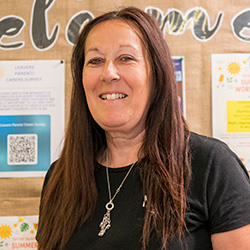
Sue Hart
Designated Support

Oversight: Spencer Graydon
Principal Safeguarding Lead (Board of Trustees)